
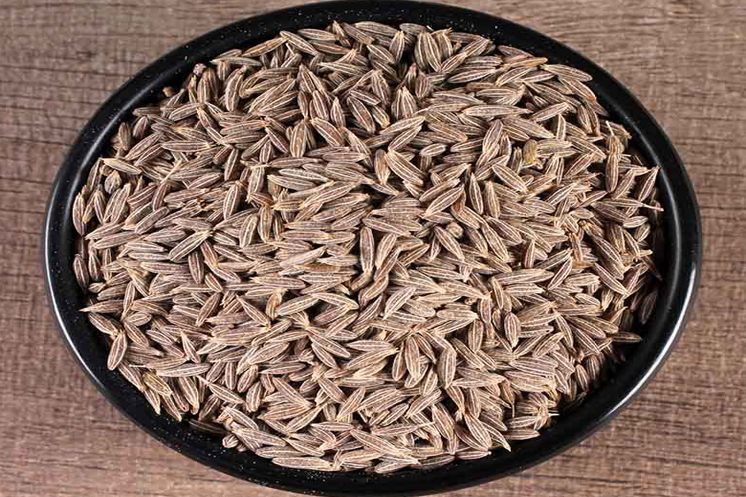
Cumin seeds (Cuminum cyminum) are small, elongated, aromatic seeds belonging to the Apiaceae (parsley) family and are native to the eastern Mediterranean and South Asia. They are among the oldest known spices, with a history that dates back thousands of years to ancient Egypt, where they were used for both culinary and medicinal purposes. Cumin seeds have a distinct warm, earthy, and slightly bitter flavor with a hint of citrus, making them a staple in the spice blends and dishes of Indian, Middle Eastern, North African, and Latin American cuisines. When dry-roasted or fried in oil, they release an intense aroma and flavor that forms the base for many curries, stews, rice dishes, and spice mixes such as garam masala, chili powder, and curry powder.
Nutritionally, cumin seeds are rich in iron, calcium, magnesium, phosphorus, and dietary fiber, as well as vitamins A, C, E, and several B-complex vitamins. They also contain cumin aldehyde and thymol, the main bioactive compounds responsible for their distinctive aroma and therapeutic properties. Cumin is known for its digestive benefits—it stimulates the secretion of digestive enzymes, reduces bloating, and improves nutrient absorption. It also exhibits antioxidant, antimicrobial, and anti-inflammatory effects, supporting immune health and protecting the body from oxidative stress. Traditional medicine systems such as Ayurveda and Unani have used cumin for treating indigestion, respiratory disorders, and even metabolic conditions.